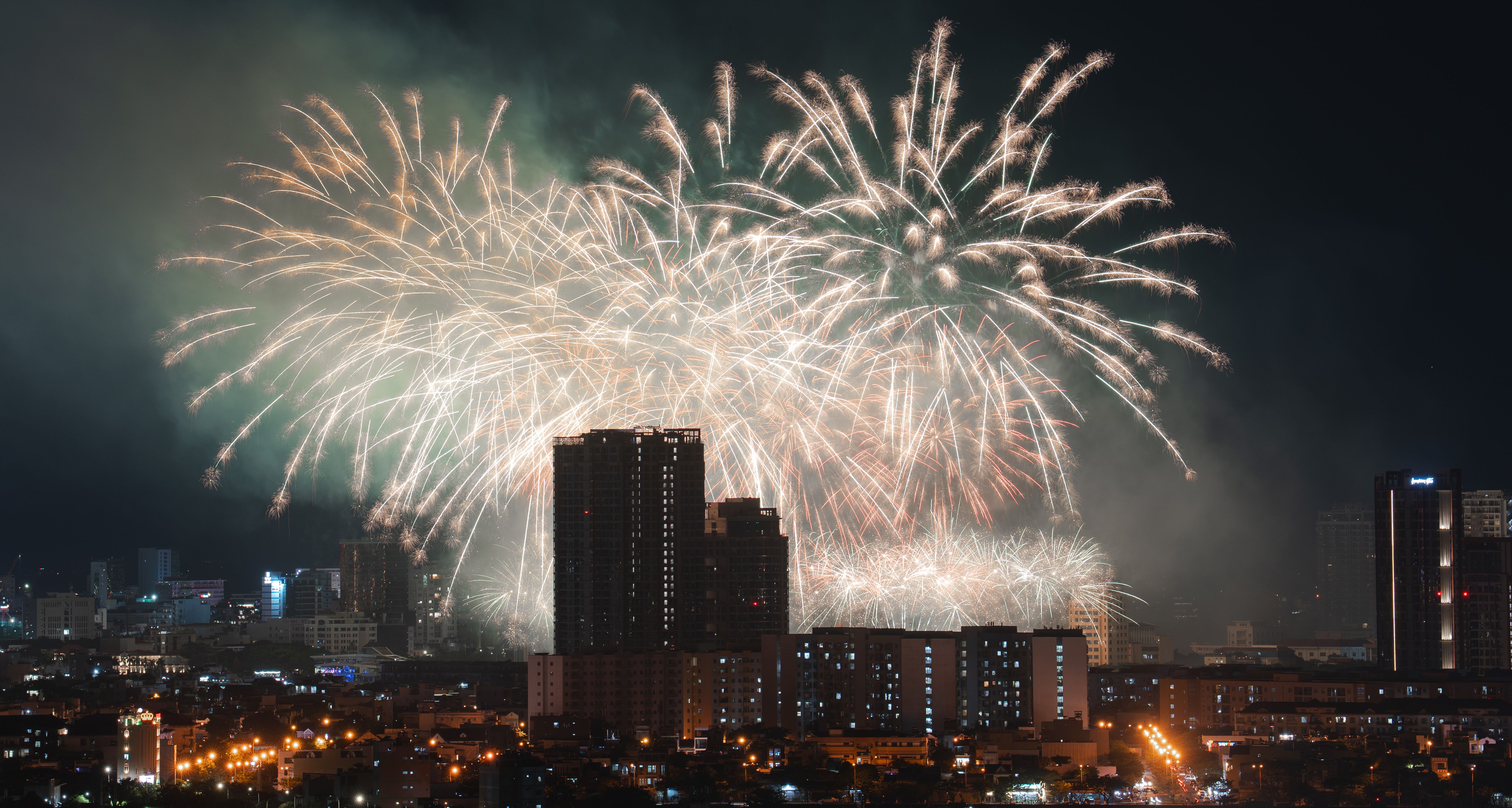
Whether you're planning a garden display or attending a public event, here's everything you need to know about staying safe around fireworks.
Fireworks are one of life's great joys — but they're also one of the few consumer products that carry a genuine risk of serious injury if misused. Each year, hundreds of people in the UK are treated for firework-related injuries, the majority of which are entirely preventable. This guide covers everything you need to know to enjoy fireworks safely, whether you're at a professional display or setting off your own.
The UK Firework Code
The Firework Code has been the cornerstone of firework safety in the UK for decades. Every responsible user should know it by heart:
- Only buy fireworks marked BS 7114 (the British Standard for fireworks)
- Never give fireworks to children under 18
- Keep fireworks in a closed metal box
- Follow the instructions on every firework carefully
- Light fireworks at arm's length using a taper
- Stand well back once a firework is lit
- Never return to a firework once it has been lit
- Never put fireworks in your pocket
- Never throw fireworks
- Keep pets indoors
- Douse used fireworks in water before disposal
Understanding Firework Categories
UK fireworks are classified into four categories. Knowing the difference matters.
Category F1 — Indoor Fireworks
Very low hazard. Designed for use indoors or in very confined spaces. Examples: indoor sparklers, party poppers, table fountains.
Category F2 — Garden Fireworks
Low hazard. Designed for outdoor use in small, private spaces. Minimum safety distance of 8 metres. This is the category most commonly sold in supermarkets and general retailers.
Category F3 — Display Fireworks (Consumer)
Medium hazard. For use in large, open outdoor spaces. Minimum safety distance of 25 metres. Sold in specialist firework shops. These produce larger effects but require significantly more space than a typical garden.
Category F4 — Professional Display Fireworks
High hazard. Only available to professional pyrotechnicians. These are what you see at organised public displays. They require specialist training, insurance, and site assessment to use safely.
The key mistake most people make is buying Category F3 fireworks and setting them off in a garden that isn't large enough. If you can't guarantee 25 metres of clear space in every direction, stick to F2.
Buying Fireworks Safely
Always buy fireworks from a reputable, licenced retailer. In the UK, any business selling Category F2 or F3 fireworks must hold a licence from their local authority. Buying from unlicensed sources — car boot sales, online marketplaces from unknown sellers, or abroad — carries serious risks.
Unlicensed fireworks may:
- Not meet UK safety standards
- Have shorter fuses than labelled
- Be unstable due to poor storage or age
- Contain prohibited compositions
Find your nearest licenced firework retailer on FireworkFinder. Every listing on our platform is a registered business — we don't list unlicensed sellers.
Setting Up a Safe Garden Display
If you're running your own display, preparation makes all the difference.
Before the night:
- Check the weather forecast. High winds make fireworks unpredictable and can carry sparks into neighbouring properties. Don't display in winds above 25mph.
- Notify your neighbours in advance. It's considerate and helps them keep pets safely indoors.
- Read every firework's instructions before the night — not by torchlight on the night itself.
- Prepare a bucket of water and a first aid kit.
- Mark out your display area clearly. Use canes or rope to keep spectators at least the minimum recommended distance.
On the night:
- Designate one adult as the display operator. Only they should handle fireworks.
- Never mix alcohol and fireworks.
- Use a proper launcher or firing tube for rockets. Never hold them in your hand or a bottle.
- For ground-based items, make sure the ground is firm — soft ground can cause items to tip.
- Light fireworks at arm's length with a proper safety taper (not a cigarette lighter).
- After each firework, move away immediately and don't approach for at least five minutes.
Sparklers
Sparklers burn at over 2,000°C — hotter than a blowtorch. Children under 5 should never hold sparklers. Older children should wear gloves, hold sparklers at arm's length, and never wave them near others. Always put used sparklers head-down in a bucket of sand or water immediately.
Attending a Professional Display Safely
Professional displays are significantly safer than home fireworks — the pyrotechnicians are trained, insured, and the site is assessed in advance. That said, there are still things to be aware of as an attendee.
- Stay behind barriers. The exclusion zones around professional mortars are marked for good reason. Don't cross them for a better view.
- Watch for falling debris. Stars and casing can fall within the audience area at some displays. Don't stand directly downwind.
- Keep children close. Large crowds are disorienting for children. Consider high-visibility wristbands or arranging a meeting point.
- Leave when instructed. Follow steward instructions for crowd dispersal — the routes are planned to prevent crushes.
Fireworks and Pets
Fireworks are deeply distressing for many animals. Dogs, cats, horses, and small pets all suffer from the noise and unpredictability.
- Keep pets indoors from dusk onwards on Bonfire Night and New Year's Eve.
- Close windows, curtains, and cat flaps.
- Create a den where pets can hide and feel secure.
- Don't leave pets alone if they're anxious.
- Talk to your vet in advance — there are effective anti-anxiety medications and pheromone diffusers that can help.
- Never take dogs to firework displays, even on a lead.
What to Do in an Emergency
If a firework injures someone:
1. For burns: cool with cool (not cold) running water for at least 20 minutes. Cover with clingfilm or a clean non-fluffy dressing. Seek medical attention for any burn larger than a 50p coin or on the face/hands.
2. For eye injuries: do not rub or touch the eye. Cover loosely and get to A&E immediately.
3. For serious injuries: call 999 immediately.
4. Never try to remove clothing stuck to a burn — this can cause further damage.
The Law on Fireworks
In England, Scotland, and Wales:
- It is illegal to set off fireworks between 11pm and 7am (midnight on Bonfire Night, 1am on New Year's Eve, Diwali, and Chinese New Year).
- It is illegal to set off fireworks in a public place without a licence.
- It is illegal to sell adult fireworks to anyone under 18.
- Category F4 fireworks may only be used by professionals.
Penalties for breaking firework laws include fines of up to £5,000 and potential imprisonment for the most serious offences.
For more information on firework safety, visit the Health and Safety Executive's fireworks guidance and the Royal Society for the Prevention of Accidents (RoSPA).
Planning a display? Find a professional firework display company near you on FireworkFinder.